Plan care around comfort, function and what can be preserved.
Understanding your options
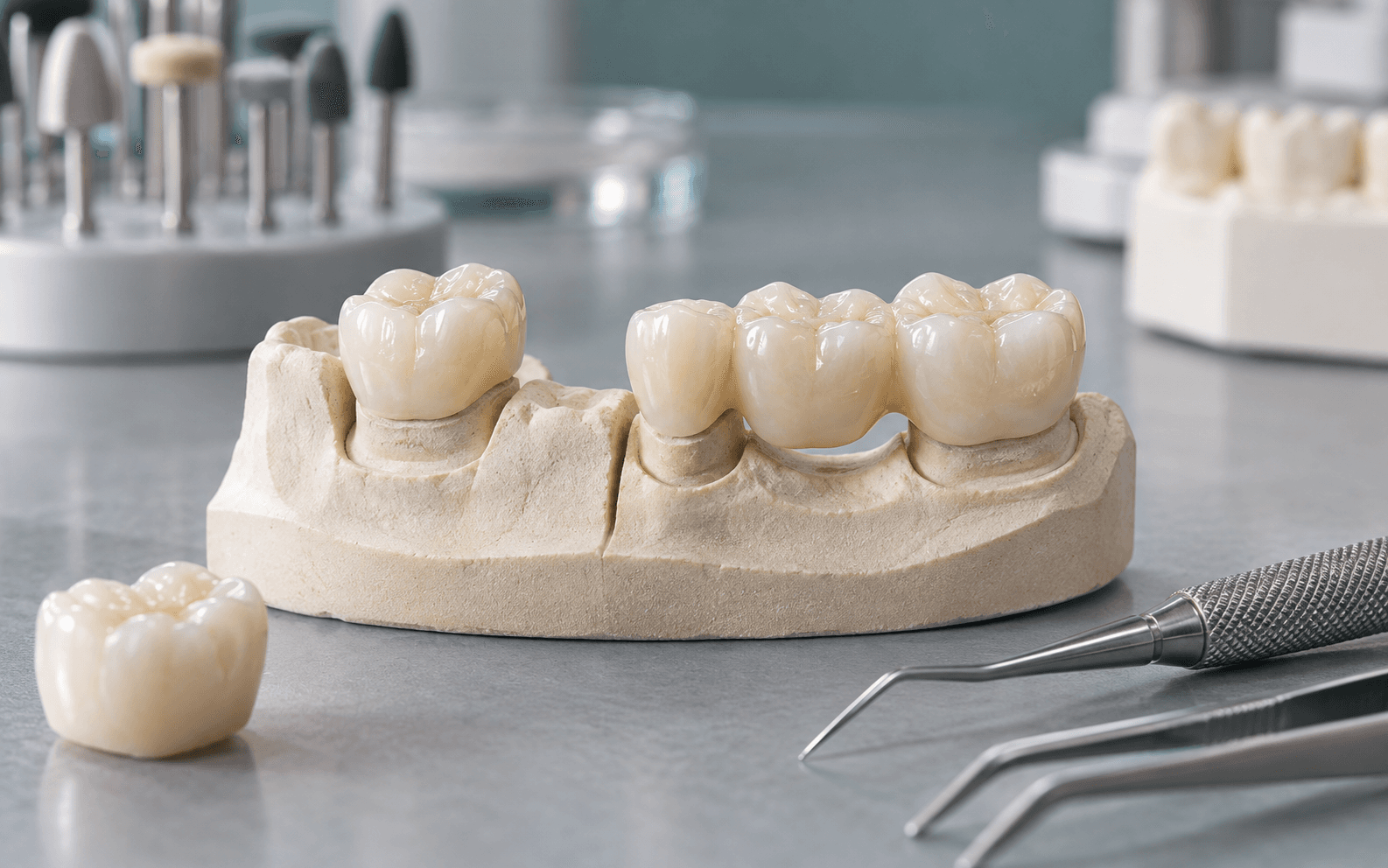
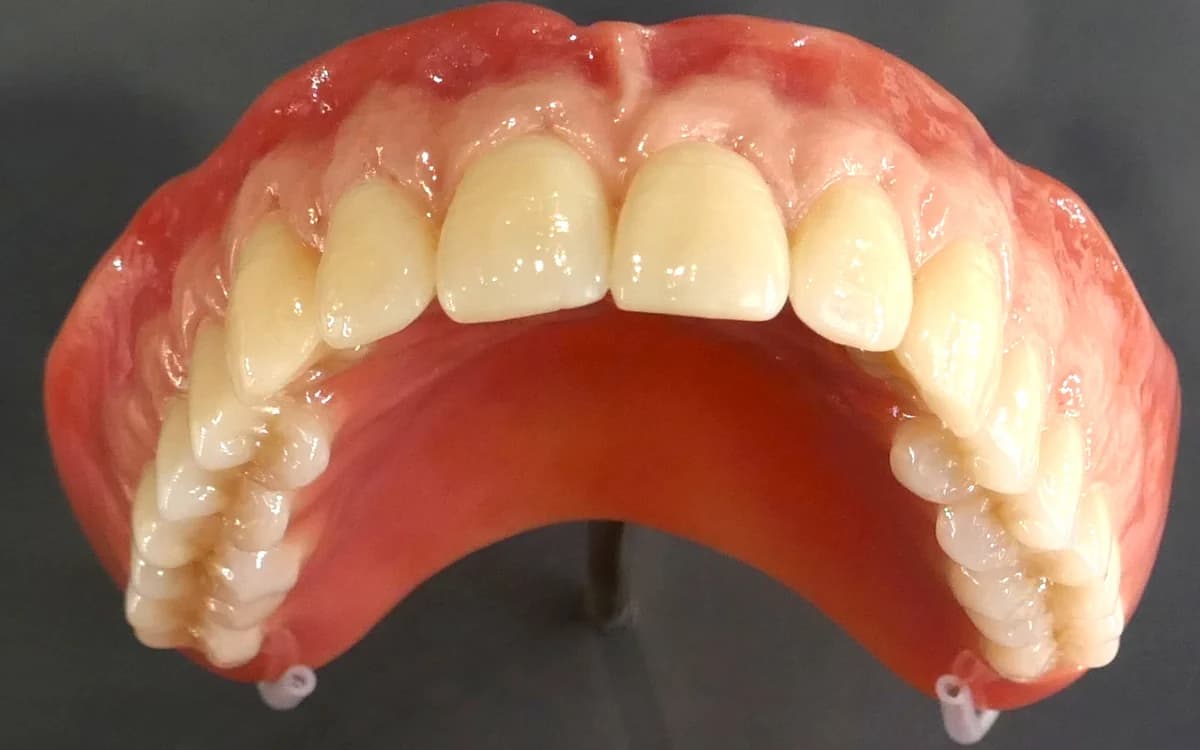
Restorative dentistry focuses on repairing or replacing teeth to support oral function. Depending on assessment, a plan may involve a crown, bridge, denture, implant restoration or coordinated treatment.
Is this the right care for you?
A damaged tooth, failing restoration, difficulty chewing or missing teeth can prompt a restorative consultation. The condition of the teeth, gums and bite shapes the available options.
What to expect
The dentist examines what can be preserved, discusses suitable alternatives and explains the sequence, limitations and maintenance needs of the proposed restoration.
Things to consider
Some restorative procedures require irreversible tooth preparation. Restorations can wear, chip or need replacement, and outcomes depend on oral health and ongoing care.
Care beyond the appointment
Clean restorations as instructed, attend planned reviews and contact the clinic if a restoration feels loose, damaged or different when you bite.
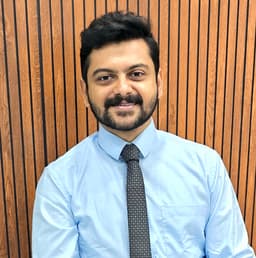
Meet your specialist
Dr. Mohammed Imran ZM.D.S. (Prosthetics and Crown & Bridge dentistry)
Dedicated Prosthodontist trained at Govt. Dental College & Hospital, Patiala. He specializes in crown & bridge work, veneers, laminates, implant-supported restorations, maxillofacial prosthetics, and full mouth rehabilitation in complex cases.
Common questions
Which restorative treatment is right for me?
That depends on what needs to be repaired or replaced, the supporting tissues and your priorities. Your dentist can compare appropriate options after assessment.
Can restorative treatment be completed in stages?
Some plans can be staged. The sequence depends on clinical priorities, healing needs and how the treatments relate to one another.
General information only. Treatment suitability, risks and expected outcomes require an individual dental assessment. About our medical information.